

Oil Immersed Transformers Explained: Types, Benefits, and Applications
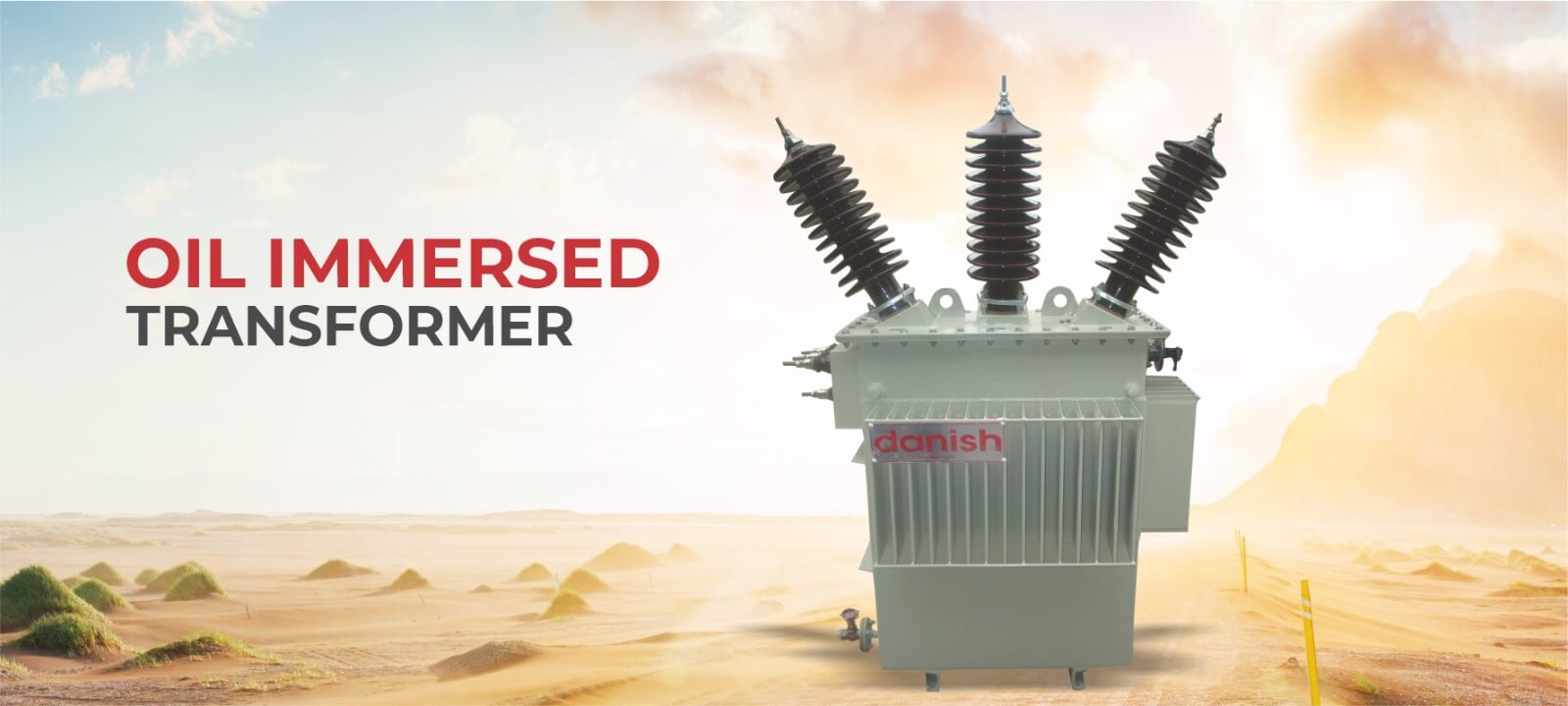
When it comes to energy management and power distribution, transformers are indispensable. Among the various types available, oil immersed transformers stand out as a benchmark for reliability and efficiency, particularly in industrial and commercial applications. But why are they so widely preferred, and how do they compare to alternatives like dry-type transformers?
This guide walks electrical engineers, power plant operators, and energy consultants through the key aspects of oil immersed transformers, covering their benefits, operational guidelines, and a comparison with other transformer types.
What Is an Oil Immersed Transformer?
An oil immersed transformer houses its core and windings submerged in insulating oil, which serves three critical functions:
- Cooling: The oil absorbs and dissipates heat generated during operation.
- Insulation: It prevents electrical breakdown by insulating live components.
- Moisture Protection: Protects the core and windings from moisture, enhancing longevity.
These robust, efficient transformers are widely used for high-voltage industrial-grade applications and extensive power distribution networks.
Types of Oil Immersed Transformers
Oil immersed transformers are not one-size-fits-all. They come in various types tailored to specific use cases:
1. Oil Immersed Power Transformer
Designed for high-voltage applications, these are commonly used in power plants and substations to manage large-scale power distribution effectively.
2. Oil Immersed Distribution Transformer
Compact and optimized for delivering electricity to localized networks like residential neighborhoods, commercial areas, or small industrial zones.
3. Hermetically Sealed Transformer
These sealed units prevent contamination by keeping the oil completely enclosed, reducing risks of leaks and moisture degradation.
4. Conservator-Type Transformer
Equipped with a conservator tank, these manage oil expansion and contraction, enabling smooth operation under fluctuating loads.
Benefits of Choosing Oil Immersed Transformers
- Unmatched Cooling Efficiency
Their oil-cooling system ensures efficient heat dissipation, allowing superior performance under high loads when compared to dry-type transformers.
- High Voltage Capabilities
Ideal for applications requiring consistent performance at high voltages, such as power plants and extensive grid networks.
- Reliability and Longevity
With regular maintenance, these transformers can operate reliably for decades, with the oil acting as a protective barrier against contaminants and moisture.
- Cost-Effective
They typically cost less upfront compared to dry-type transformers. Additionally, their operational energy efficiency helps keep long-term costs low.
How to Safely Load an Oil Immersed Transformer
To maximize performance while avoiding damage, follow these basic loading practices:
- Analyze Load Profile
Ensure the load never exceeds the transformer’s rated capacity to prevent overheating or premature wear.
- Consider Environmental Factors
Adjust operating parameters for ambient temperature and altitude to maintain optimal performance.
- Regularly Monitor Oil Levels
Maintain consistent levels to preserve cooling and insulating performance. Overfilled tanks risk pressure buildup, while underfilled tanks reduce efficiency.
- Schedule Routine Maintenance
Conduct regular checks, including oil testing and part replacements, for long-term efficiency and reliability.
- Use Load Tap Changers
Tap changers help adjust voltage output to meet varying load demands, ensuring stability and efficiency.
Comparing Oil Immersed and Dry-Type Transformers
Understanding the differences between these two main transformer types helps in selecting the right option:
Feature | Oil Immersed Transformer | Dry-Type Transformer |
Cooling | Insulating oil and radiators, ideal for high loads | Air-cooled, better for lower loads |
Insulation | Oil-based insulation | Epoxy resin or other solid materials |
Voltage Capacity | High voltage needs (e.g., substations, power plants) | Primarily for lower voltage applications |
Environmental Impact | Potential risks with oil leaks | Eco-friendly (no oil involved) |
Cost | Lower upfront and operational costs | Higher initial costs, lower ongoing maintenance |
Key Applications of Oil Immersed Transformers
These transformers excel across a variety of industries:
- Power Generation
Widely used in power plants to adjust voltage levels efficiently.
- Heavy Industry
Ideal for powering heavy machinery and large-scale industrial operations.
- Utility Grids
Crucial for wide-scale electricity distribution.
- Commercial Facilities
Provides reliable power for shopping malls, office complexes, and hotels.
Maintaining Oil Immersed Transformers
Routine maintenance is essential for keeping these units in optimal condition:
- Oil Testing
Monitor for contaminants, moisture, and acidity regularly.
- Cooling System
Inspect radiators, fans, and pumps to prevent overheating.
- Winding Resistance Check
Regular resistance tests can detect early signs of wear.
- Bushing Inspection
Ensure bushings are intact to avoid electrical discharge.
Choosing the Right Transformer for Your Needs
Oil immersed transformers offer unparalleled efficiency, cost-effectiveness, and reliability. They are ideal for outdoor, high-voltage industrial settings. However, if your application requires minimal environmental impact or a strictly indoor setup, a dry-type transformer may be better suited.
For expert recommendations tailored to your specific requirements, consult a trusted professional to ensure you select the right transformer for your business.
Maximize Efficiency With Oil Immersed Transformers
Oil immersed transformers combine performance, durability, and cost advantages, making them essential for modern industries. The key to maximizing their value lies in proper selection, safe operation, and regular maintenance.
If you’re ready to take your energy management strategy to the next level, partner with experts to ensure you deploy the best transformer solution for your application.